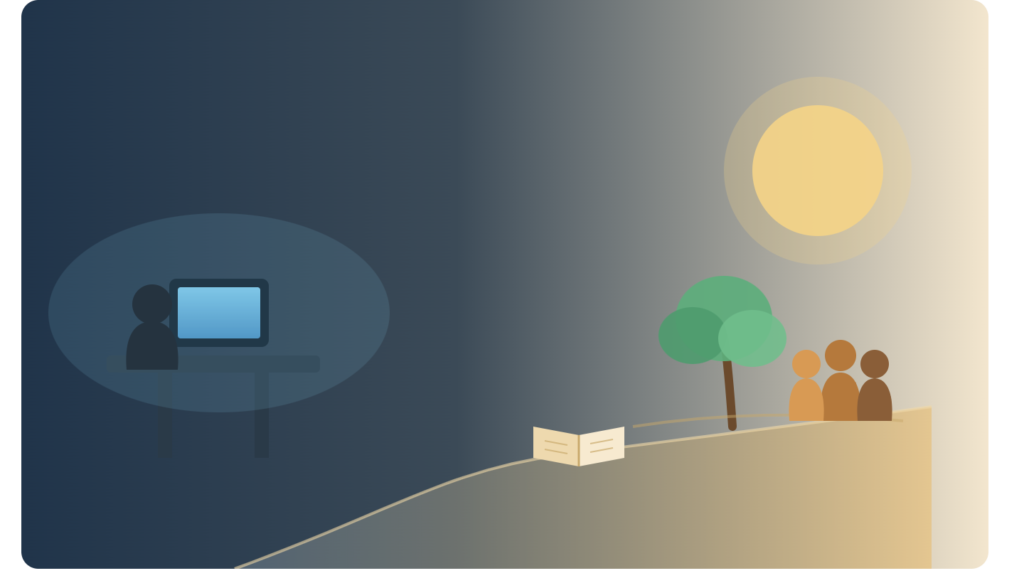

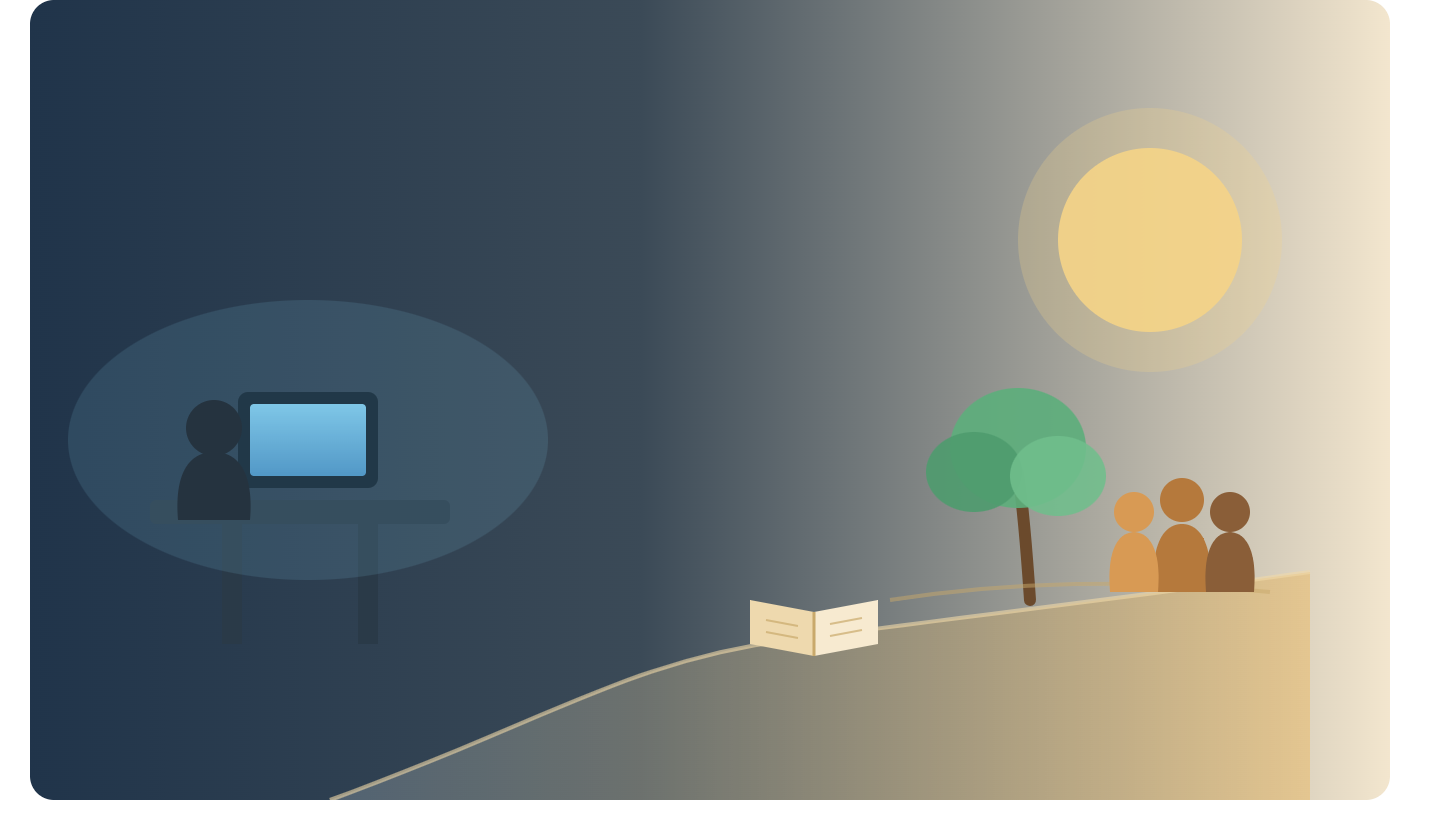
Artificial intelligence is the most powerful cognitive tool ever built, and using it well is no longer optional. Anyone who wants to keep pace at work now has, sitting on their desk, an instrument that can research, summarize, draft, and reason on demand. Refusing it on principle is a fine way to fall behind while feeling virtuous about it.
But every tool that removes effort also removes the exercise that came with the effort. A muscle that is never used gets weaker. That is not a moral claim; it is a physiological one, and it applies to the mind as surely as to the body. The argument here is not that people should use less AI. It is that they should embrace it fully while being deliberate about keeping their own faculties strong. Think of it as a fitness problem rather than a technology problem.
The atrophy is real, and measurable
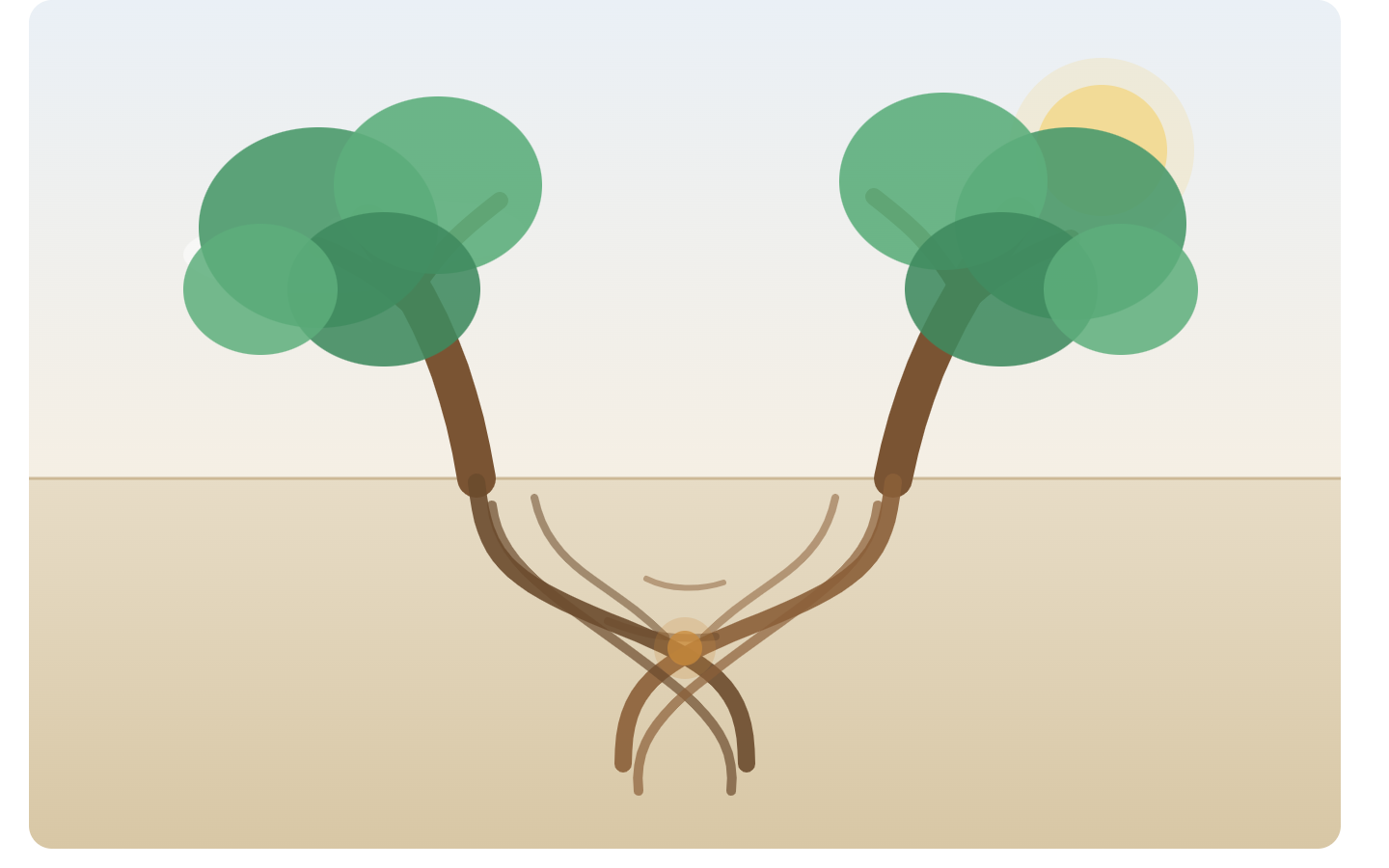
Start with the clearest example, which has nothing to do with AI. In 2000, researchers scanning the brains of London taxi drivers found that these drivers, who spend years memorizing the city’s tangle of streets, had measurably larger posterior hippocampi than other people. The hippocampus is the brain’s hub for memory and spatial navigation, and in the taxi drivers it had physically grown in response to the demand placed on it.
Now run the experiment in reverse. A 2020 study found that habitual GPS users had weaker spatial memory and more difficulty navigating on their own, and the effect was not confined to people who were bad with directions to begin with. Even those who started with strong spatial skills declined over time. The function was outsourced, so it faded. Worth noting: the hippocampus is also among the first regions to deteriorate in Alzheimer’s disease, which raises the stakes on quietly retiring it.
The same pattern is now being documented for the higher-order thinking that generative AI touches. In a 2025 study out of Microsoft Research and Carnegie Mellon, researchers surveyed 319 professionals and analyzed nearly a thousand real examples of AI use at work. One finding stands out: the more a person trusted the AI’s ability, the less critically they examined what it produced. Confidence in the tool substituted for scrutiny of the output. A separate 2025 study of 666 people found a negative association between heavy AI-tool use and critical-thinking scores, with “cognitive offloading” identified as the mechanism connecting the two.
Behind all of this sits a larger and stranger trend. For most of the twentieth century, average IQ scores in developed nations rose by roughly three points per decade, a rise so reliable it earned a name, the Flynn effect. Since about the 1990s, that climb has stalled and reversed in several wealthy countries. A study of Norwegian brothers showed the decline happening within families, with later-born brothers scoring lower than earlier-born ones, which rules out genetics and points squarely at something in the modern environment. Honesty requires a caveat here: this reversal began before smartphones and well before AI, so no one can pin it on any single technology. But it is a sobering backdrop. Something in advanced modern life is already pushing against us, and we are now adding the most powerful cognitive shortcut ever invented on top of it.
Why this time is different
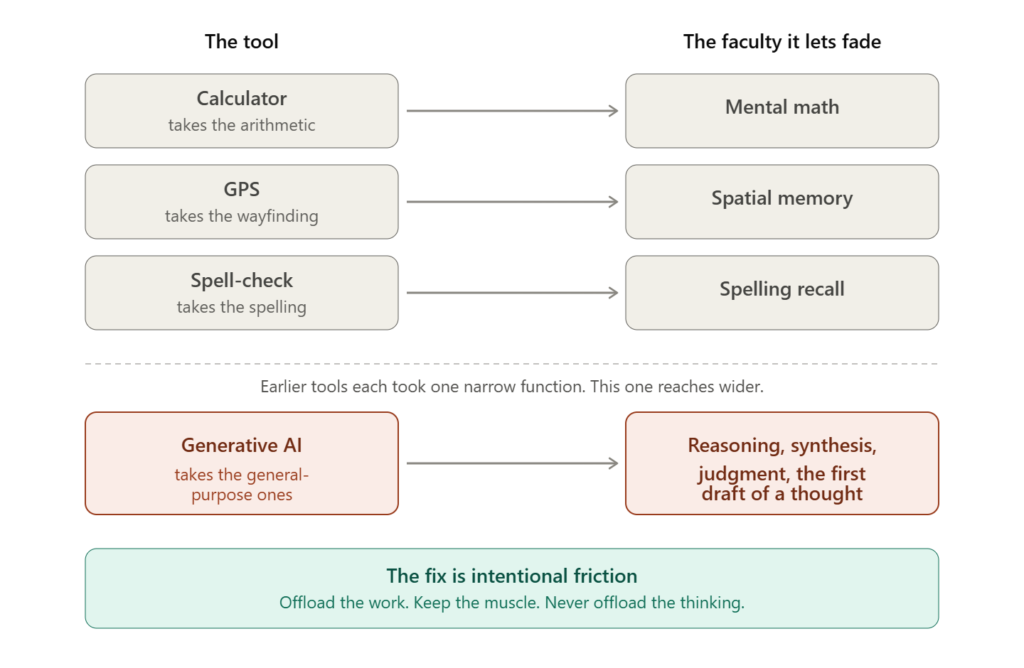
People have offloaded mental work onto tools for centuries. The calculator took arithmetic, the map took wayfinding, spell-check took spelling. What makes generative AI different is the breadth of what it absorbs. Those earlier tools each took one narrow function. AI reaches for the general-purpose ones: reasoning, synthesis, judgment, the drafting of a first thought.
The Microsoft researchers captured the shift precisely. Knowledge work is moving from information gathering to information verification, from problem solving to response integration, and from doing the task to supervising a machine that does it. The catch is that verification is itself a skill, and it decays if you never do the underlying work. You cannot reliably check an answer in a domain where you have let your own competence wither. The real risk is not losing one narrow ability. It is losing the habit of thinking hard at all.
Use the tool, keep the muscle
The resolution is not less AI. It is intentional friction: deliberately keeping some activities effortful precisely because the effort is the point. An athlete takes the elevator all week and still chooses to train, and sees no contradiction in it. The goal is to capture every bit of leverage the technology offers while treating certain human capacities as things worth maintaining on purpose. A few practices do most of the work.
Read deeply, and ideally on paper. Long-form reading builds the sustained attention and working memory that skimming and AI summaries quietly erode. Read the whole book, not the recap of it.
Write to think, not only to produce. Writing is how a person discovers what they actually believe; the fumbling is the thinking. Draft the hard thing yourself before handing it over, and use AI to sharpen what you made rather than to originate what you could not be bothered to.
Meet in person. Face-to-face contact carries bandwidth that screens strip away, including tone, timing, and the thousand small signals that build real judgment about people. That read is a skill, and it dulls with disuse like any other.
Get outside and into nature. A substantial body of research links time in natural settings to restored focus and reduced mental fatigue. It is roughly the opposite of the fractured, notification-shredded attention that screens cultivate.
And keep a few small reps in the daily mix. Navigate without the GPS sometimes and let yourself get mildly lost. Do the arithmetic in your head. Sit with a hard problem before reaching for the answer, because that uncomfortable interval of not-knowing is where actual learning happens, and it is exactly the interval AI is most eager to erase.
The discipline
The people who thrive in this era will not be the ones who reject the tools, nor the ones who surrender to them completely. They will be the ones who use AI for everything it is good at while deliberately keeping their own minds in training. Offload the work. Never offload the thinking.